


What My Father Gave Me That Money Couldn't Buy
June 17, 2026
The Greatest Inheritance May Be Identity
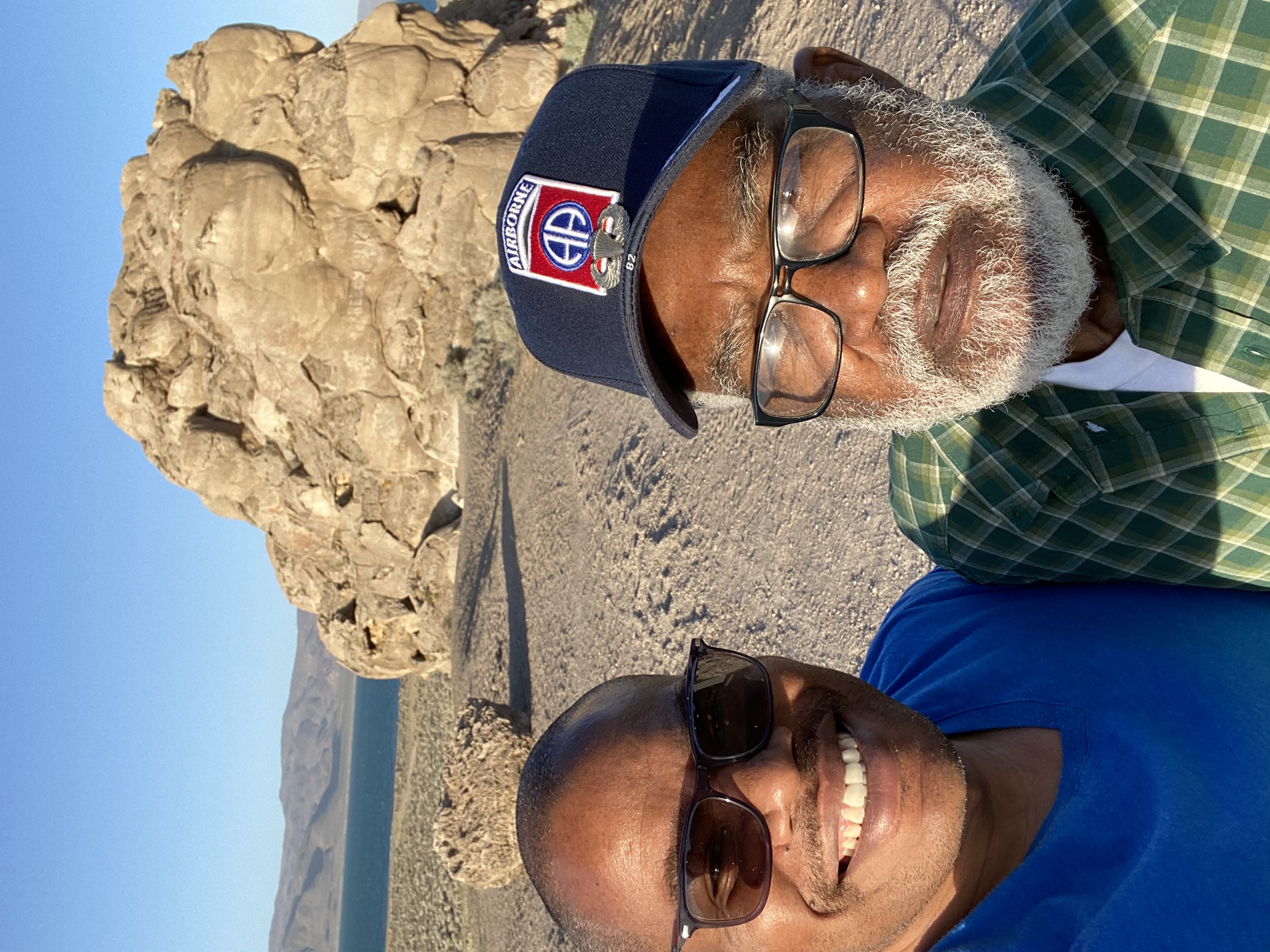
As Father's Day approaches, I've been thinking about inheritance.
Most conversations about inheritance revolve around money. People talk about savings accounts, real estate, investment portfolios, life insurance policies, and the assets parents leave behind for their children.
Those things matter.
Every parent wants to provide opportunities for the next generation.
Yet the older I get, the more convinced I become that some of the most valuable inheritances never appear in a will.
My father taught me that lesson long before I understood it.
He often spoke about family as though it were a form of wealth. Not wealth in the financial sense, but something deeper. He believed that relationships mattered. He believed that lineage mattered. He believed that knowing who your people were mattered.
What makes that perspective remarkable is the life he lived.
My grandfather died when my father was seven years old.
My grandmother died when he was eleven.
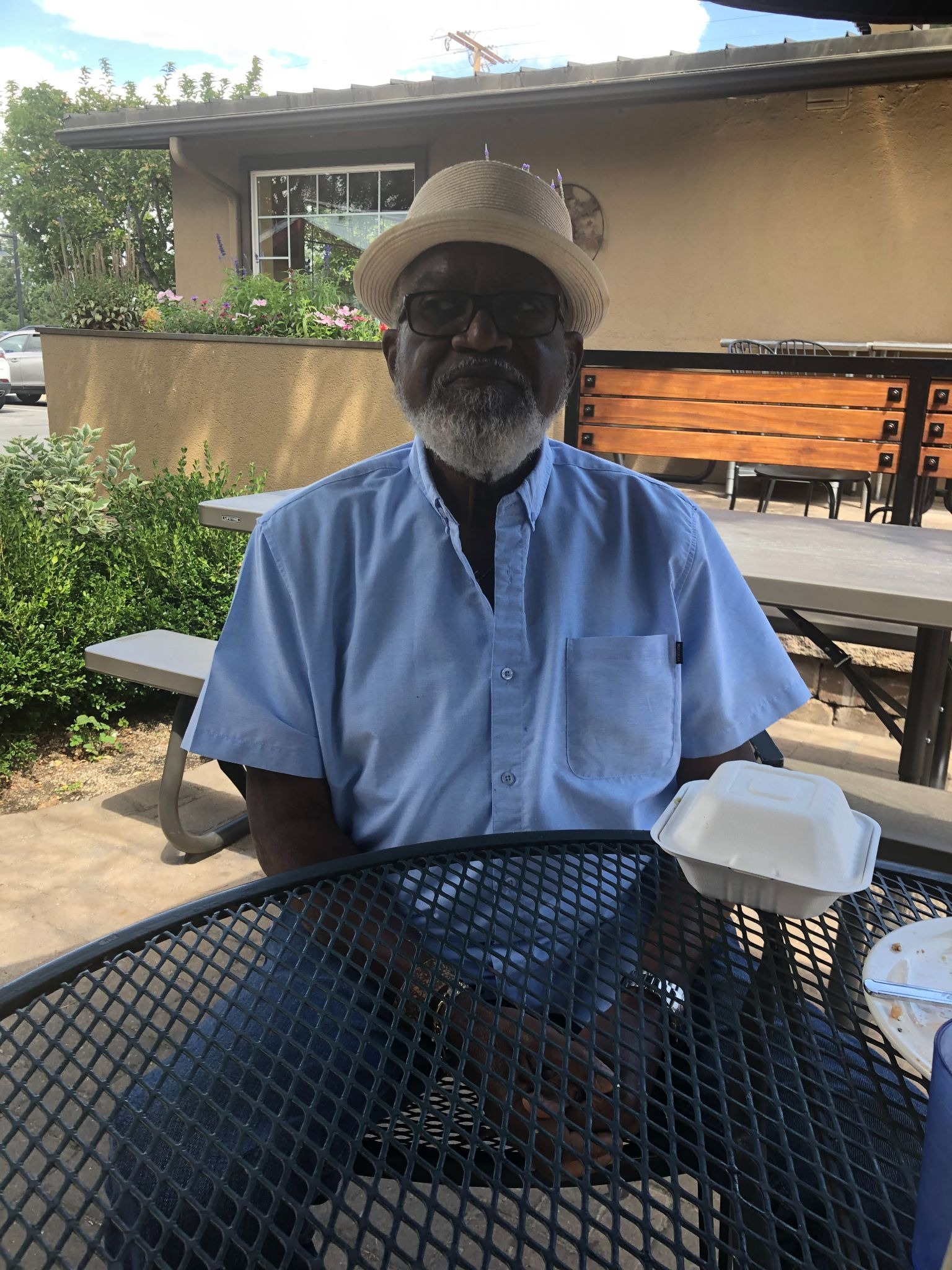
The people who shaped his earliest years were taken from him long before adulthood. Yet despite those losses, he never stopped emphasizing the importance of family.
For as long as I can remember, he spoke about it as one of life's greatest assets.
One of my earliest family stories took place about eight days after I was born.
My father told me that he lifted me toward the sky and declared:
"The only one greater than you is God."
As a child, I simply accepted the story.
As an adult, I've spent more time thinking about what it meant.
I don't believe my father was trying to tell me that I would become wealthy, famous, or powerful. Looking back, I think he was giving me something more important. He was teaching me to see myself as someone with value, someone connected to something larger than his circumstances.
Neither of us could have imagined where that idea would lead. Decades later, DNA and genealogical research would connect me to living relatives in Nigeria. The search eventually led me to my ancestral family compound, brought me before the King (Ranodu) of Imota, and resulted in a formal letter confirming my ancestral connection to the royal House of Senlu.
Along the way, I became a Nigerian citizen, acquired land, built relationships with traditional rulers and community leaders, and participated in cultural rites that connected me to a history much older than myself.
None of that was visible when my father held me toward the sky.
What he passed down was not information.
It was identity.
Or perhaps more accurately, it was a respect for identity.
For many descendants of Africa, identity can be complicated.
The transatlantic slave trade did more than separate families. It interrupted lineages. It disconnected millions of people from specific communities, cultures, languages, and places.
Most of us know where our ancestors were taken.
Far fewer know where they came from.
For years, I lived with that reality myself.
Then something unexpected happened.
The deeper I went into my family history, the more familiar certain discoveries began to feel.
One of the most meaningful discoveries involved a family name that had been lost to us for generations. After years of DNA and genealogical research, I eventually traced my lineage back to the Olomo family of Nigeria.
Through that research, I learned that the name is associated with prosperity through lineage. The idea extends beyond simply having children. It reflects a belief that family itself is a source of wealth and that a strong lineage is something valuable to build, protect, and pass forward.
When I learned that, I couldn't help but think about my father.
For most of my life, he had been teaching me the same lesson.
He wasn't teaching those lessons because he knew the meaning of the name or understood our connection to Imota. He had no way of knowing that DNA and genealogy would eventually reconnect us to a history separated by an ocean. He taught those lessons because he believed them.
The lesson survived even when the records did not.
That realization changed the way I think about history.
Many discussions about descendants of Africa focus on what was lost. Those losses were real. Names were lost. Languages were lost. Connections were lost. Entire branches of family histories disappeared from view.
My experience suggests that cultural inheritance is more resilient than we often assume. Names can disappear. Records can vanish. Yet values, stories, and ways of seeing the world often find a way to survive.
Sometimes a grandfather teaches a father, who teaches a son, without any of them fully understanding how old the lesson really is.
The moment that brought all of these ideas together came when the King (Ranodu) of Imota read my attestation and affirmed my connection to the Royal House of Senlu.
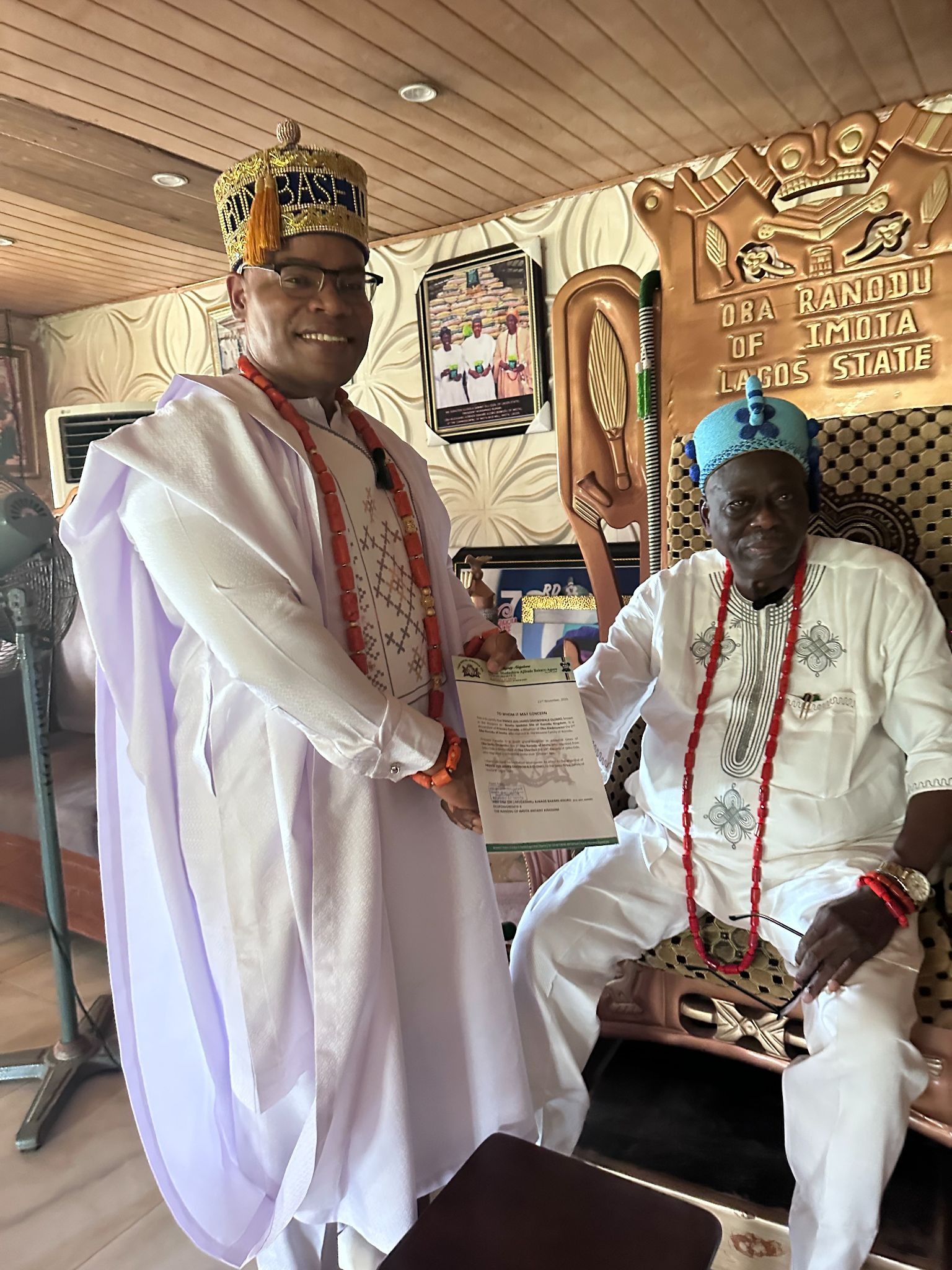
What I felt in that moment surprised me.
The feeling wasn't pride. It was belonging.
For the first time, I felt connected to a place, a lineage, and a history that could never be severed.
Standing on a family compound that had existed for roughly two hundred years created a perspective I had never experienced before. For most of my life, I thought in terms of personal goals and professional milestones. It is much harder to think only about yourself when you are standing in a place that has witnessed generations of your family come and go.
As the Ranodu explained that my ancestor had become the first king of Imota in 1496, I found myself thinking beyond the next few years. My attention shifted toward the generations that came before me and the generations that would follow. Questions about achievement gradually gave way to questions about stewardship, responsibility, and legacy.
The experience helped me understand something my father had been trying to teach me all along.
For most of my life, I thought of identity as something personal. A name. A background. A story about where someone comes from.
Standing in Imota changed that perspective. Identity is not simply a matter of heritage. It creates connections to people, places, and responsibilities that extend beyond the individual. Once I understood myself as part of a much longer story, I began thinking differently about the future and my role within it.
That may be one reason family matters so much. A person who sees themselves as part of a longer story often makes different decisions than someone who sees themselves as standing alone.
As Father's Day approaches, I find myself grateful for many things my father gave me.
His example, his resilience, and his belief in family shaped the way I see the world.
But perhaps the greatest gift was something neither of us fully understood at the time.
He gave me a sense that I belonged to something larger than myself.
Years later, my search for ancestry revealed how deep those roots actually ran.
The names had been forgotten.
The geography had been forgotten.
Much of the story had been forgotten.
Yet something survived.
My father spent a lifetime teaching me that family was wealth.
The journey back to Africa helped me understand that the lesson was older than either of us knew.
Begin Your Ancestry Reconnection Journey:
My journey began with a simple question: Where did my family come from?
That question eventually led me to recover a lost family story, reconnect with living relatives in Nigeria, stand on ancestral soil, and reclaim an identity that had been missing for generations.
If you've ever wondered where your family's story began, Tribal Tapestry was created to help descendants of Africa explore those questions through DNA, genealogy, cultural reconnection, and guided pathways back to heritage.
Schedule an Ancestry Reconnection Consultation and begin uncovering your own family story
Watch the Journey
For readers interested in seeing part of this story firsthand, this documentary follows my return to Imota, Nigeria, where the Ranodu of Imota walked me through my ancestral community, explained my family's lineage, and shared the history of the House of Senlu.
In the film, you will see the family compound, hear the history of Imota, and witness the moment a centuries-old family story became real.
Watch: The Return of a Prince | The Story of Prince Jon James Omobowale Olomo
Related Reading
- What If Africa Is the Missing Piece of the Black Wealth Conversation?
- Why Modern Men Need Rites of Passage Again
- How African Americans Can Legally Reconnect to Africa Through Citizenship Programs
- Black Privilege: The Untapped Advantage Hidden in Plain Sight
- The Story of Jon James Omobowale Olomo: From Discovery to Citizenship
About the Author
Jon James Omobowale Olomo is the founder of Tribal Tapestry. After discovering his Yoruba ancestry through DNA and genealogy, he located living relatives in Nigeria, stood on his ancestral family compound, received formal recognition of his lineage from the King (Ranodu) of Imota, became a Nigerian citizen, and acquired land in Nigeria. Through Tribal Tapestry, he helps descendants of Africa reconnect with their ancestry, identity, culture, citizenship, and opportunities across two continents.