


Tribal Tapestry
Blog

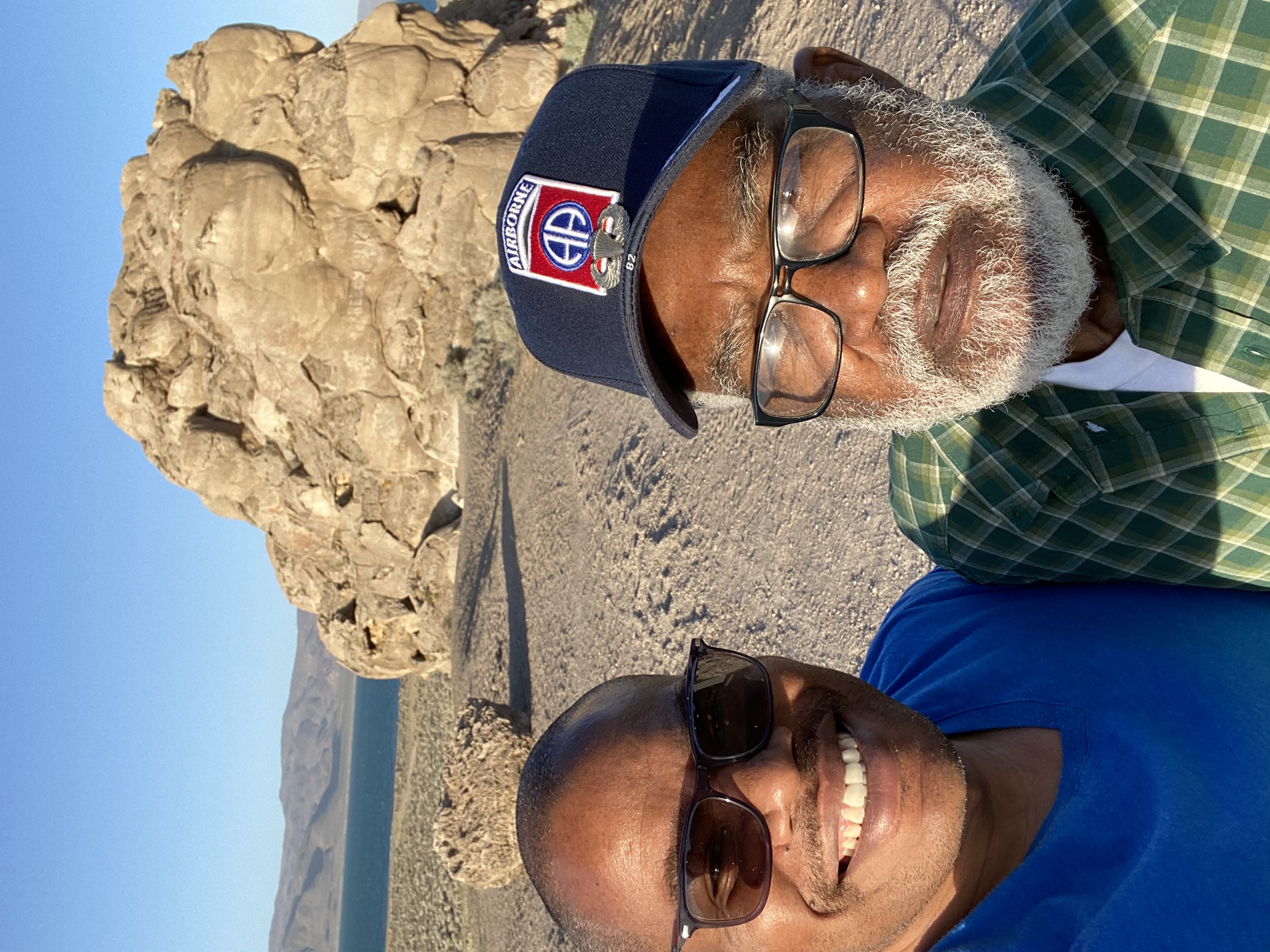
As Father's Day approaches, Jon James Omobowale Olomo reflects on a lesson his father taught him long before either of them understood its full meaning: family is a form of wealth. What began as a childhood belief in the importance of lineage eventually led Jon on a journey through DNA research, genealogy, and ancestral discovery that reconnected him to living relatives in Nigeria, the Senlu royal House of Imota, and a family story that had been separated by an ocean for generations. This personal reflection explores identity, inheritance, belonging, and why the greatest gift a parent may leave behind is not money, but a deeper understanding of who we are and where we come from.
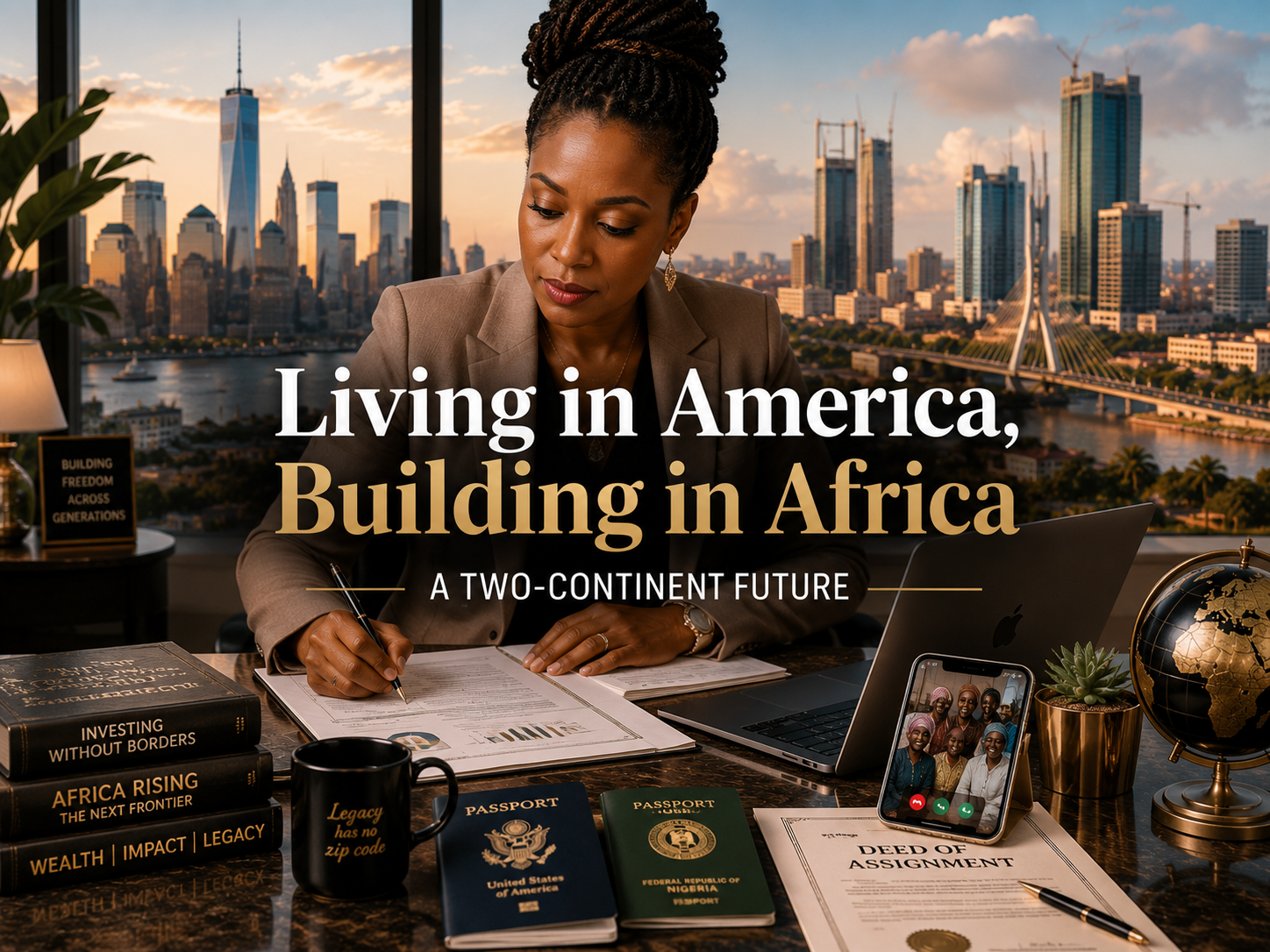
For generations, many descendants of Africa have viewed America as the place where opportunity exists and Africa as the place where their history began. But what if that framework is incomplete? In this personal essay, Jon James Omobowale Olomo shares how discovering his Yoruba ancestry, reconnecting with family in Nigeria, becoming a citizen, and acquiring land transformed the way he thinks about identity, opportunity, and wealth. The future may not require choosing between America and Africa. It may be possible to build across both.
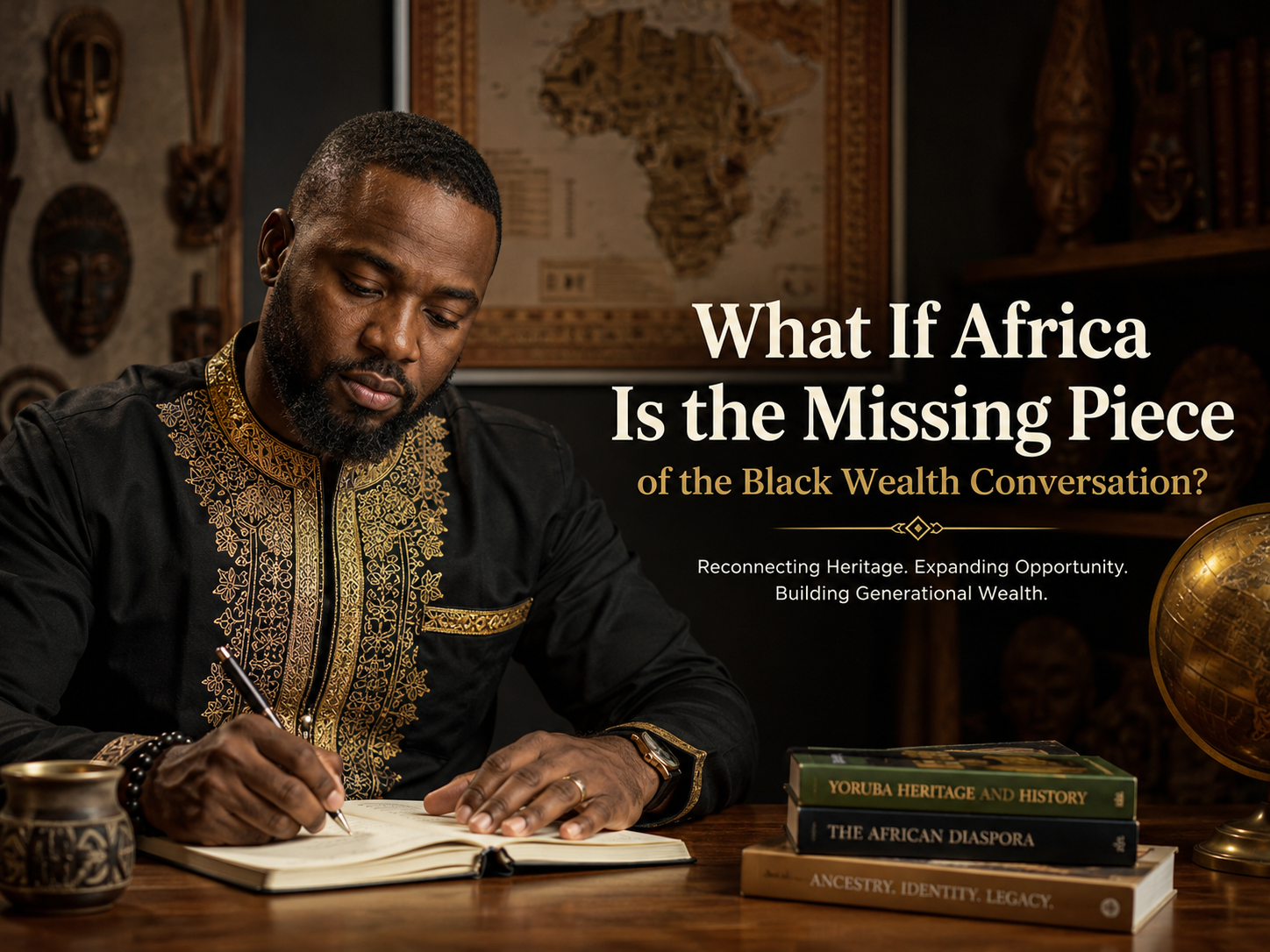
Most conversations about Black wealth focus on education, entrepreneurship, investing, and access to capital. But what if an important piece of the conversation has been overlooked? In this personal reflection, Jon James Omowale Olomo shares how a journey to uncover his ancestry led him to living relatives in Nigeria, ancestral connections, citizenship, and a new perspective on opportunity. Drawing from firsthand experience, he explores why Africa is often viewed through the lens of history rather than possibility, and asks whether the future of Black wealth may be larger than the borders of any single nation. This article challenges readers to consider whether identity, relationships, and global connections could play a greater role in wealth creation than many have imagined.
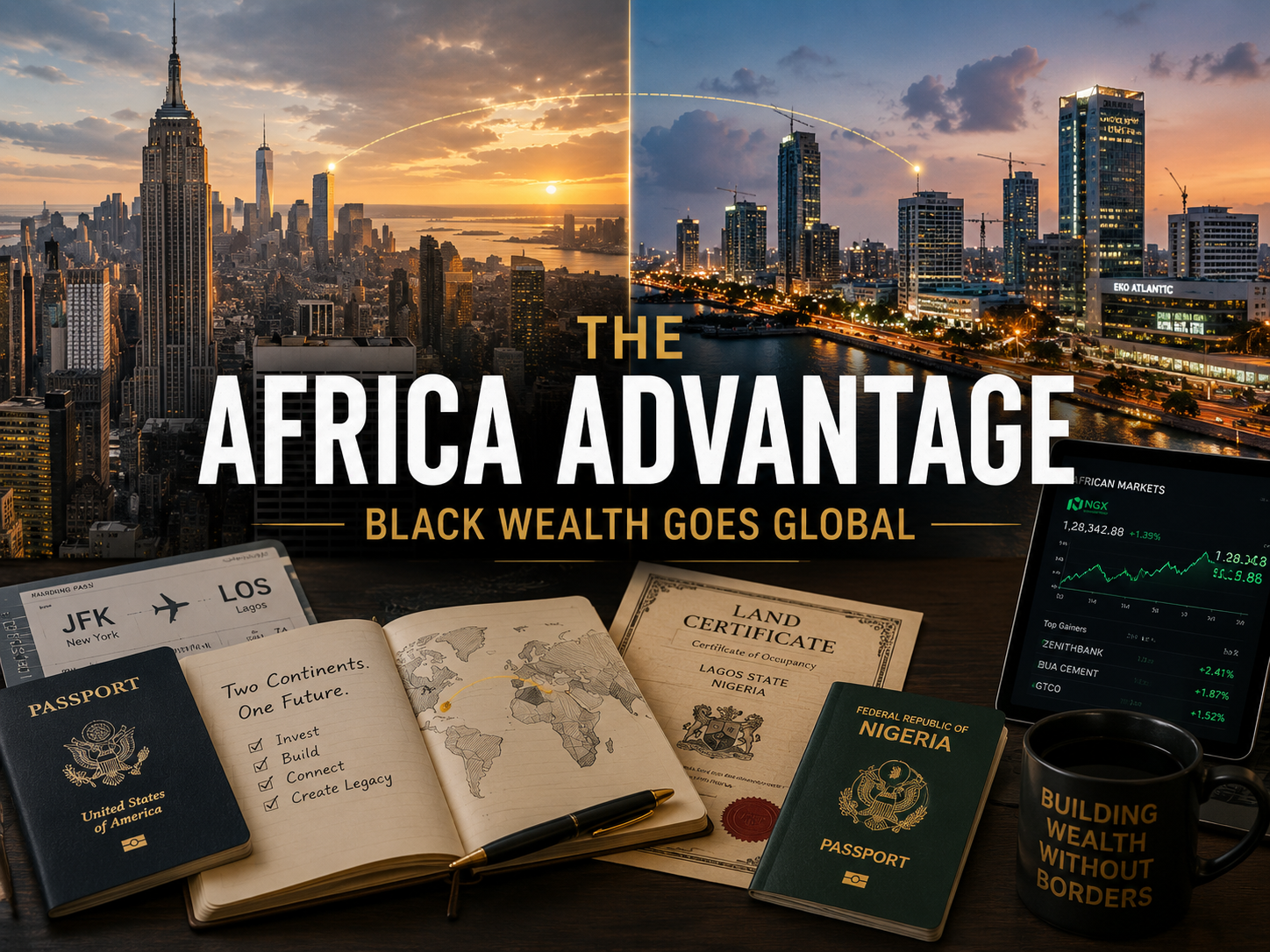
For generations, conversations about Black wealth have focused primarily on opportunities within the United States. But what if the future of Black prosperity is not confined to a single nation? This article explores the demographic, economic, and cultural forces reshaping Africa's role in the global economy—and why descendants of Africa may possess a unique advantage in a more interconnected world. From identity and ancestry to opportunity and ownership, discover why the future of Black wealth may be far more global than many have imagined.

What if the conversation about race is missing something important? This article explores the idea that people of African descent may possess a unique and largely overlooked advantage—one rooted in identity, global connection, and Africa's growing role in the future economy.

The new African American dream may not be confined to one country. Discover how identity, ownership, and opportunity can span two continents.
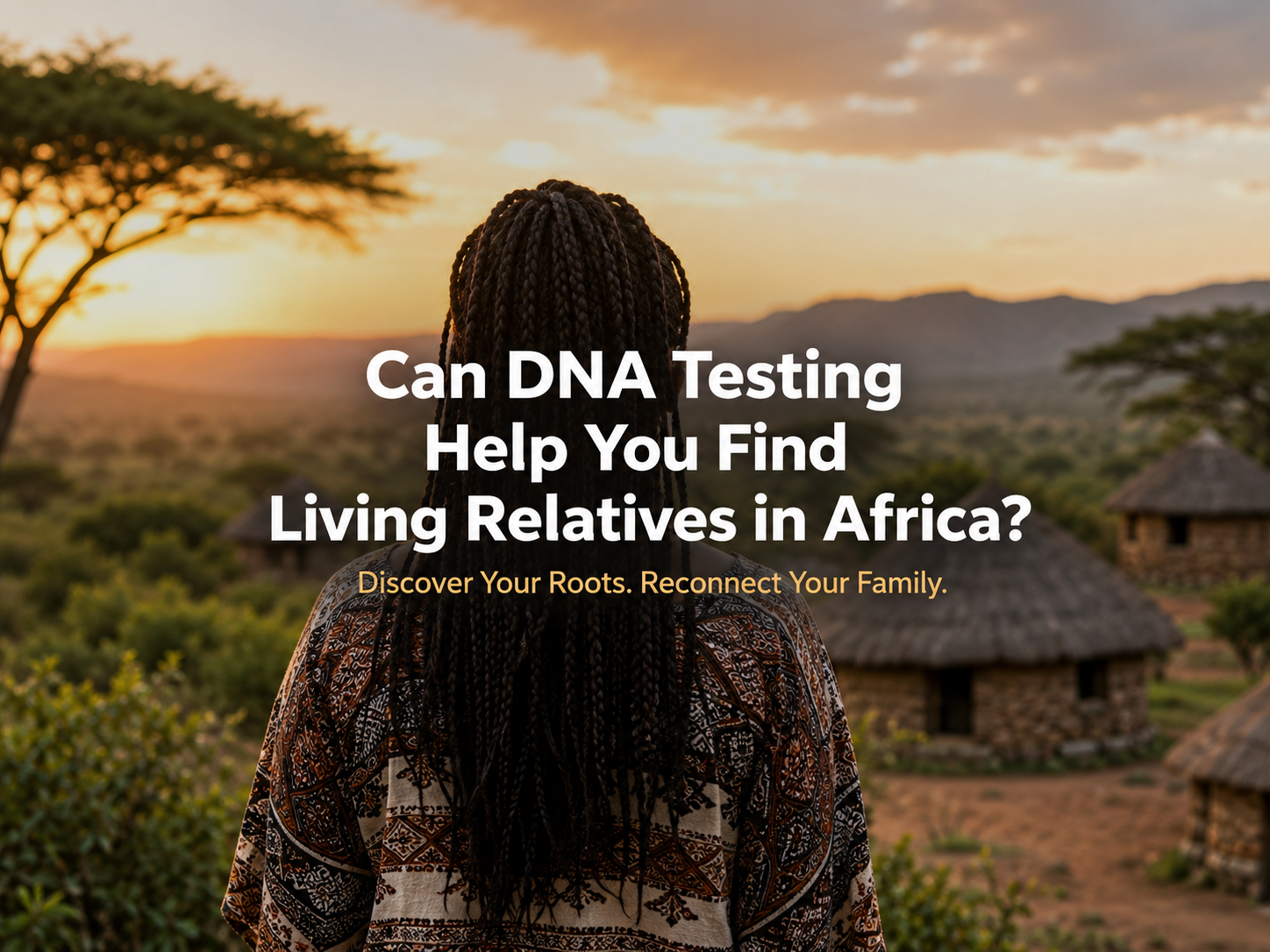
Can DNA testing help you find living relatives in Africa? In many cases, yes. Learn how DNA testing, genealogy research, and growing African DNA databases are helping members of the African diaspora reconnect with living family members, ancestral communities, and their African roots.

The effort to reconnect Africa and its diaspora is about more than ancestry—it is about restoring families, preserving identity, and rebuilding the African family tree. Discover why the elders in our families may hold some of the most important clues to reconnecting lost lineages before those stories disappear forever.
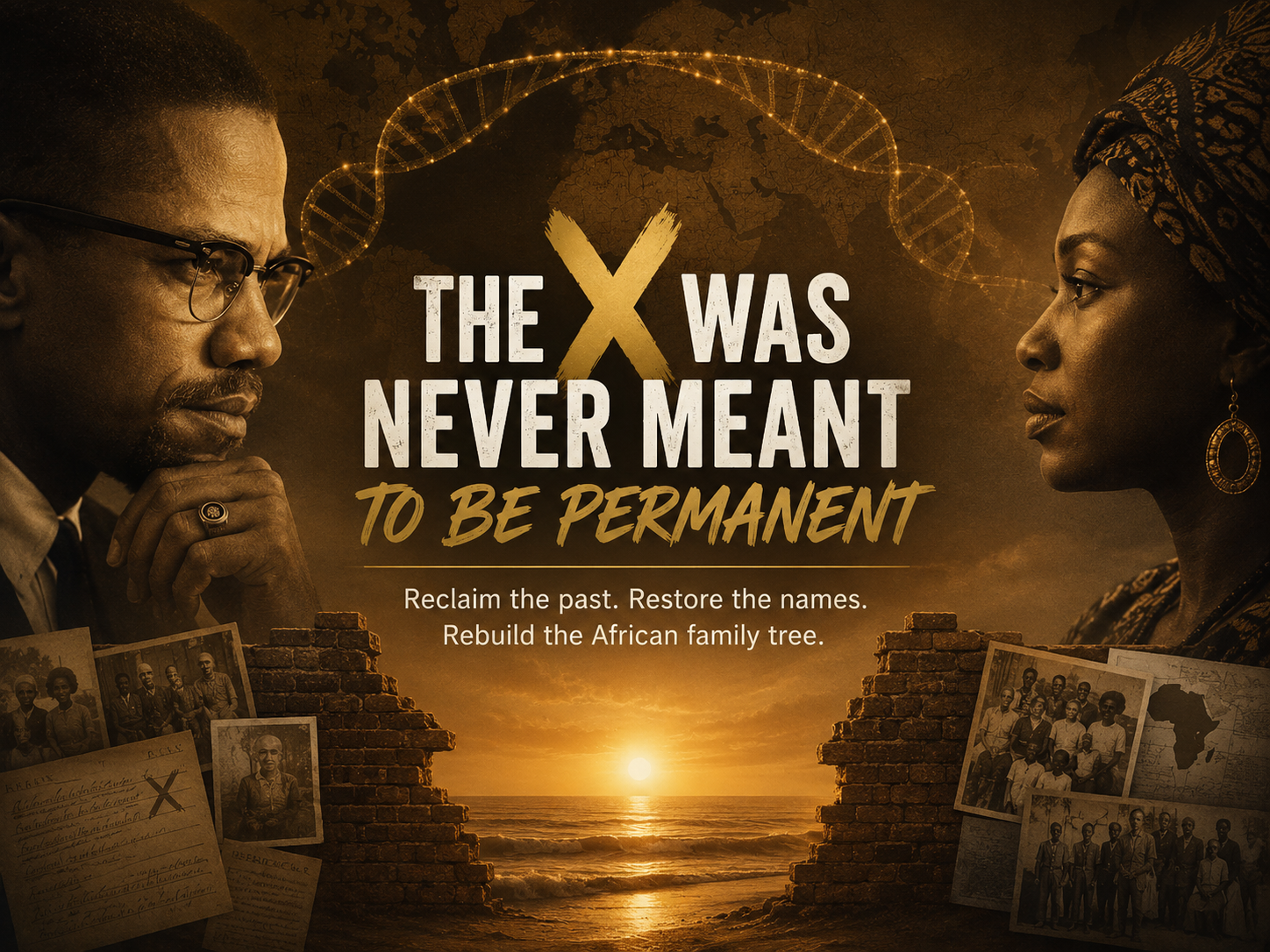
When Malcolm X chose the letter "X," he was making a statement about a lost family name and an interrupted lineage. Today, descendants of Africa have access to tools and technology that can help reconnect families, preserve ancestral stories, and rebuild connections across the Atlantic. The X was never meant to be permanent.
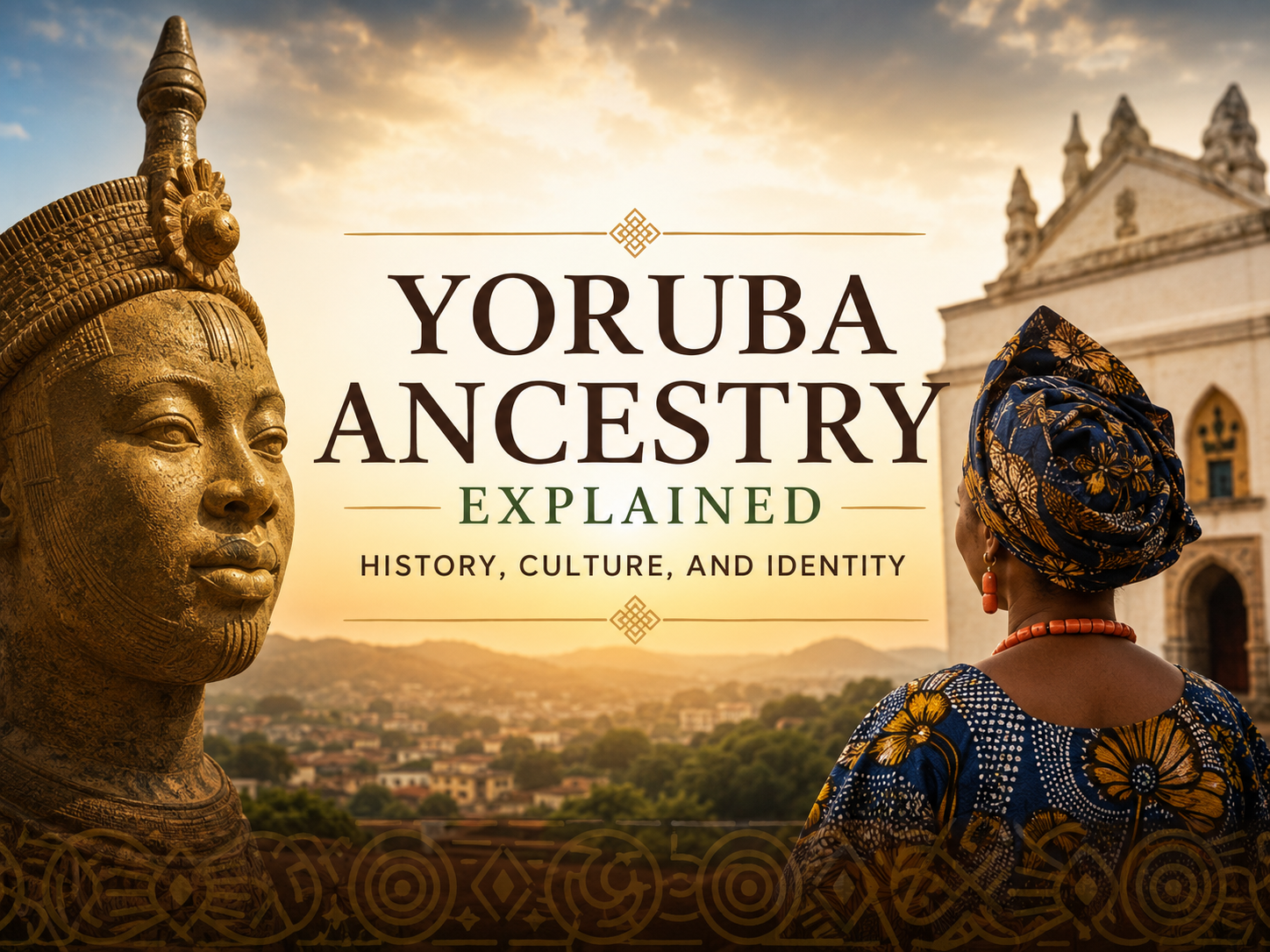
What does it mean to have Yoruba ancestry? Explore the history, culture, spiritual traditions, and global legacy of the Yoruba people while discovering why many African Americans view Yoruba DNA results as the beginning of a journey home.
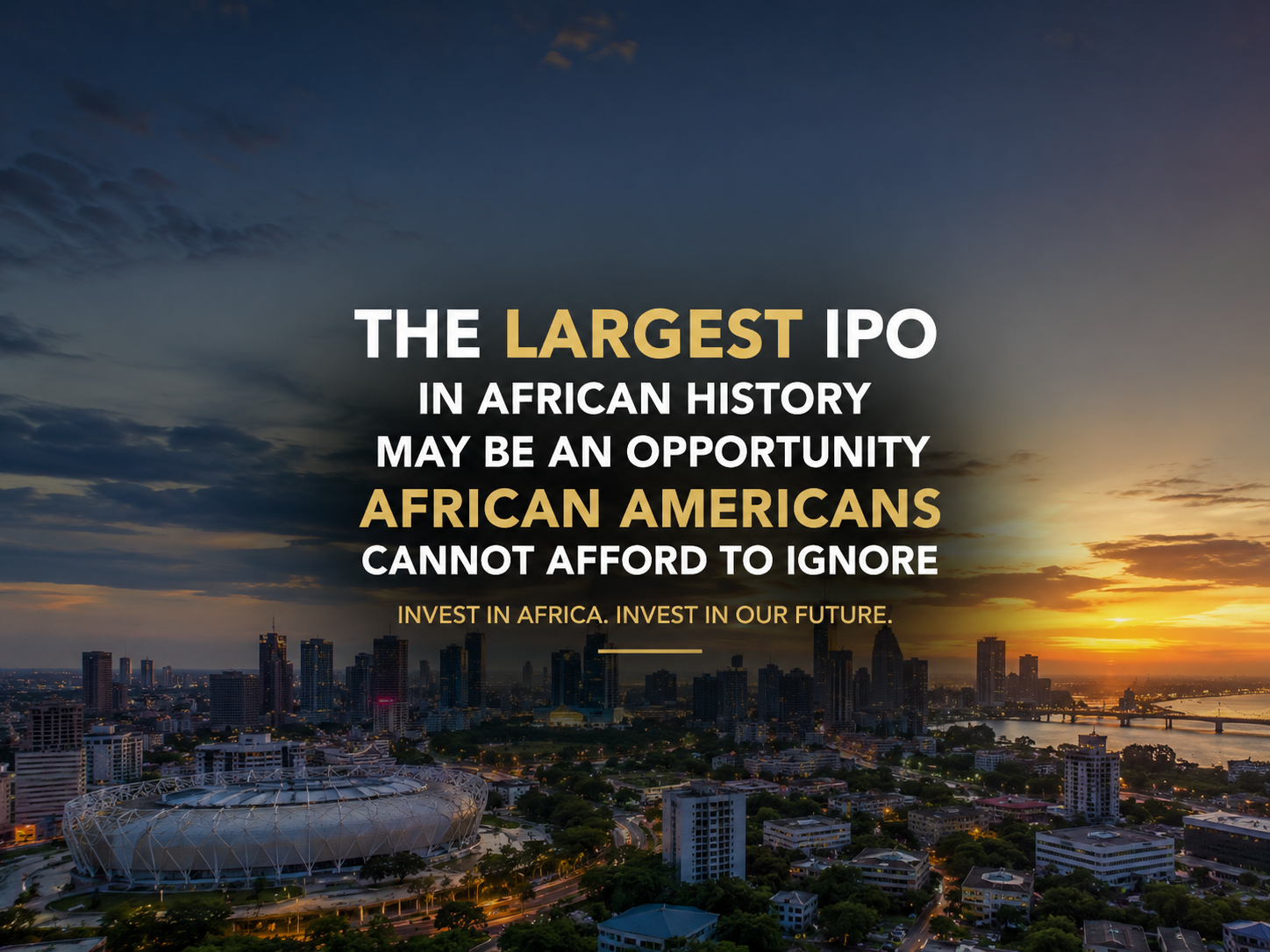
The largest IPO in African history may offer African Americans a rare opportunity to participate in Africa's economic rise. Discover why many are looking beyond Wall Street and toward Nigeria's future.

A personal story about fear, ancestry, and spiritual return as Jon James Olomo travels to Nigeria for the first time after discovering his Yoruba roots through DNA testing.
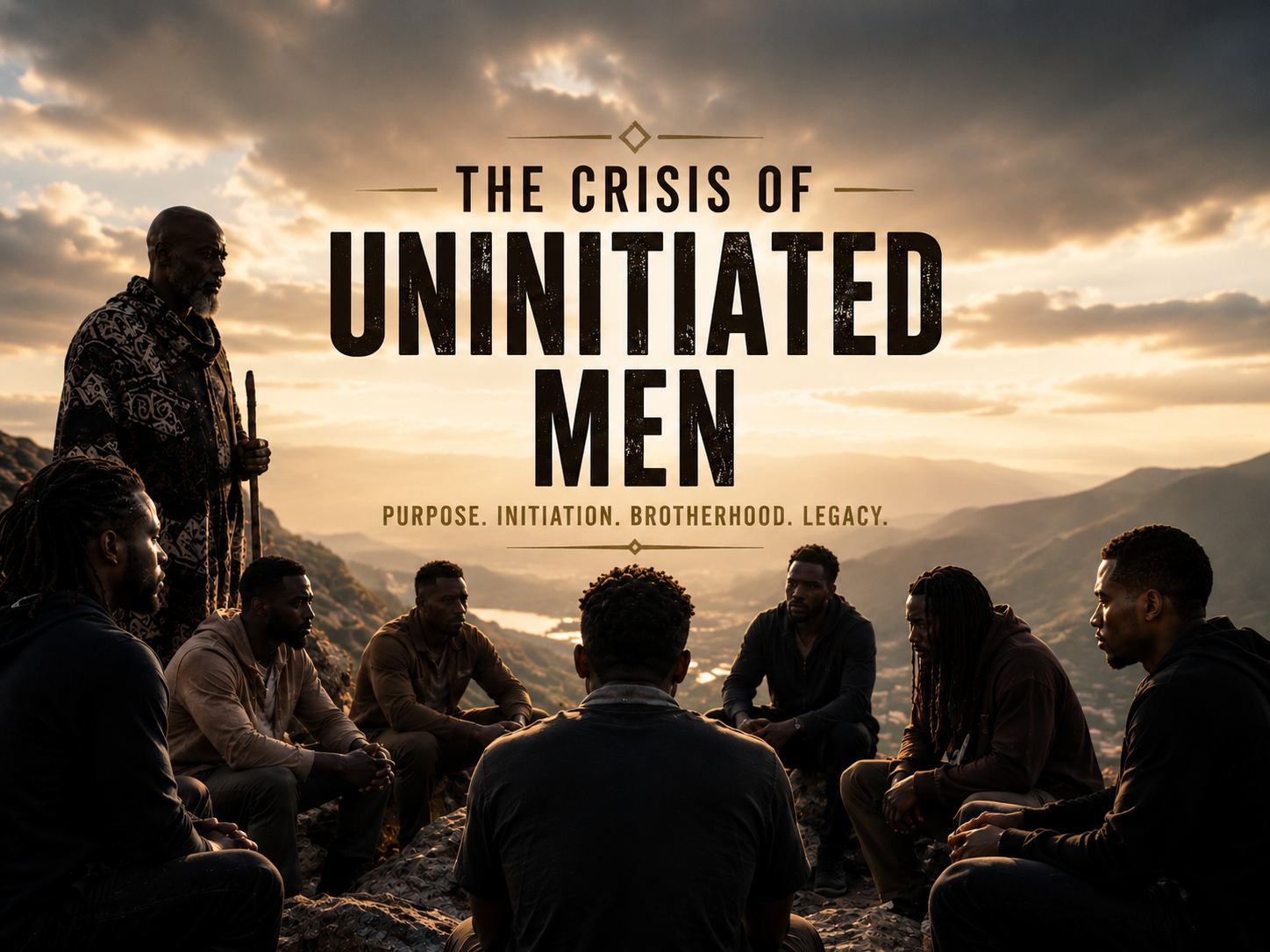
Modern society has produced millions of adult males, but far fewer initiated men. This article explores the growing crisis of hopelessness, purposelessness, and disconnection affecting modern men — especially Black men — through the lens of ancient African initiation systems, elder guidance, and rites of passage. Discover why many men today are not weak, but uninitiated, and why movements like Threshold and ROAR are helping restore purpose, brotherhood, discipline, and identity.
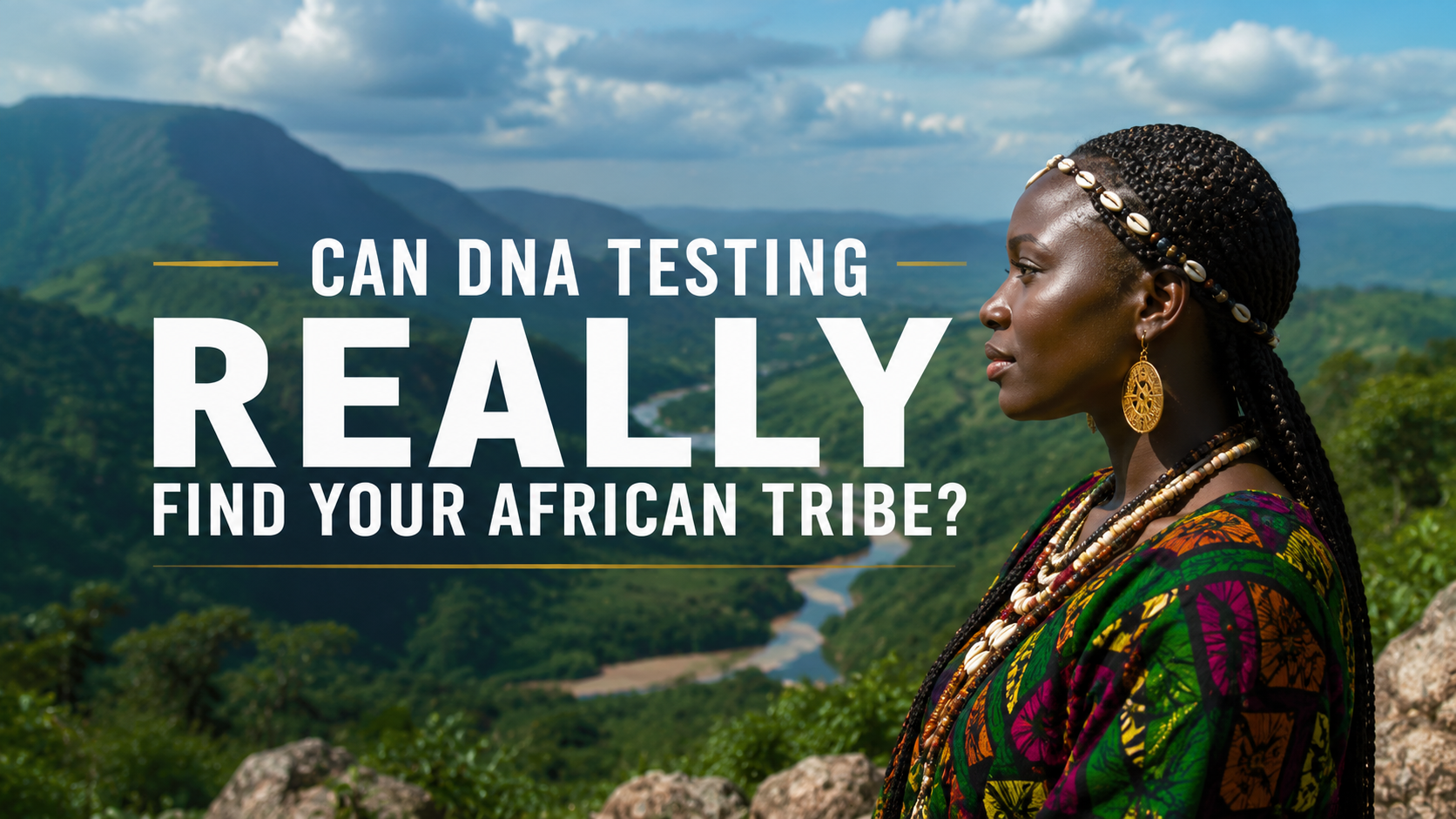
Can DNA testing really identify your African tribe? This article explores the truth behind common misconceptions about ancestry testing, the difference between ethnicity and tribal identity, and how cultural interpretation plays a major role in meaningful reconnection. Learn how Tribal Tapestry goes beyond percentages to help people reconnect with living cultures, ancestral history, and the deeper story behind their DNA.
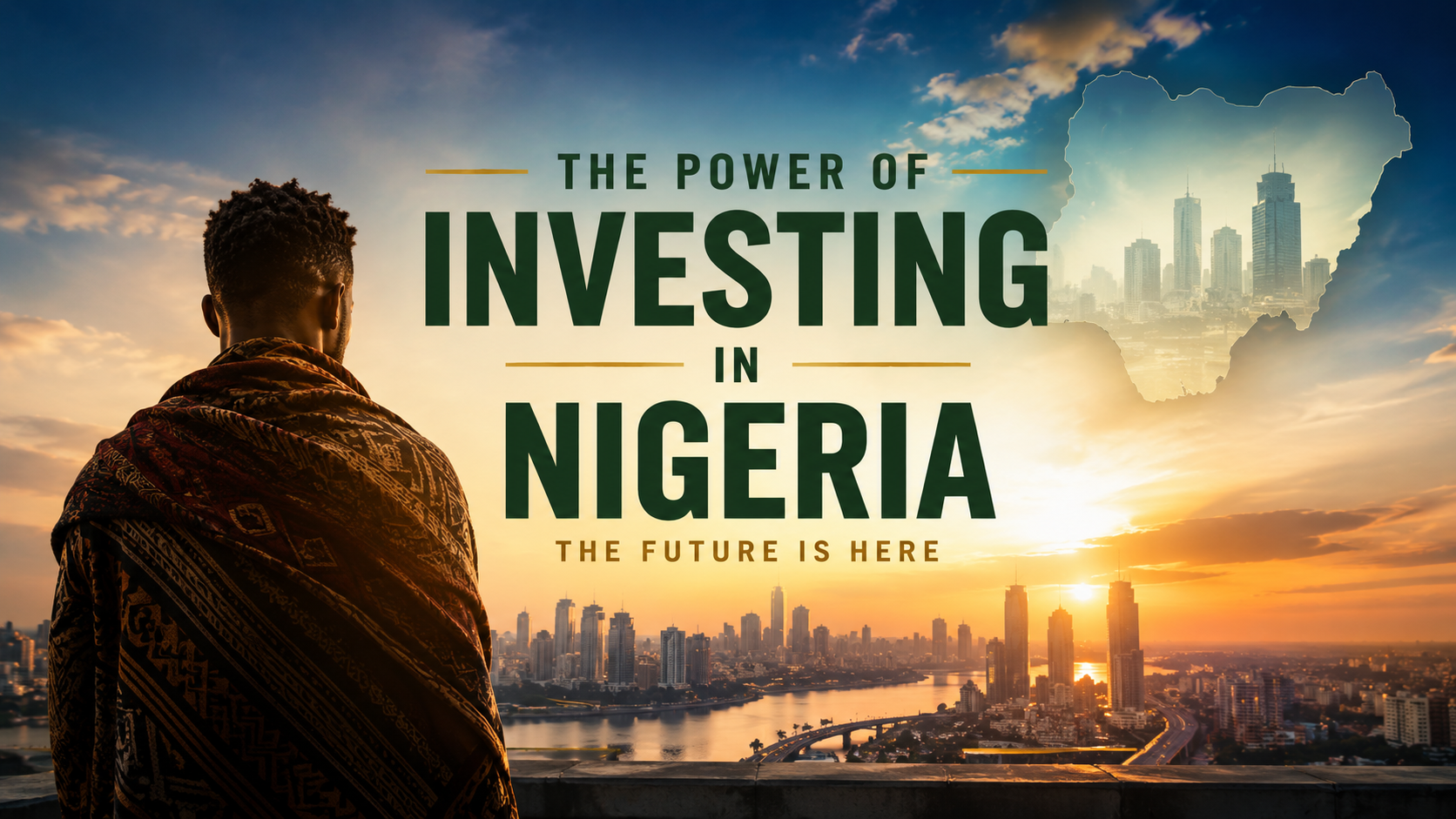
Nigeria is projected by many leading economists to become one of the world’s largest economies by 2063, positioning Africa at the center of the next great era of global growth. For African Americans, this opportunity is deeply personal, as millions carry Nigerian ancestry through tribes such as Yoruba, Igbo, and Edo. This article explores why reconnecting through DNA, culture, and investment may become one of the most important legacy decisions of the 21st century.

Modern society has removed the rites of passage that once transformed boys into grounded, purposeful men. This article explores the modern masculinity crisis, the importance of initiation, and how ancient African systems of brotherhood, discipline, ancestry, and responsibility can help restore direction and meaning for modern men through experiences like Threshold and ROAR.
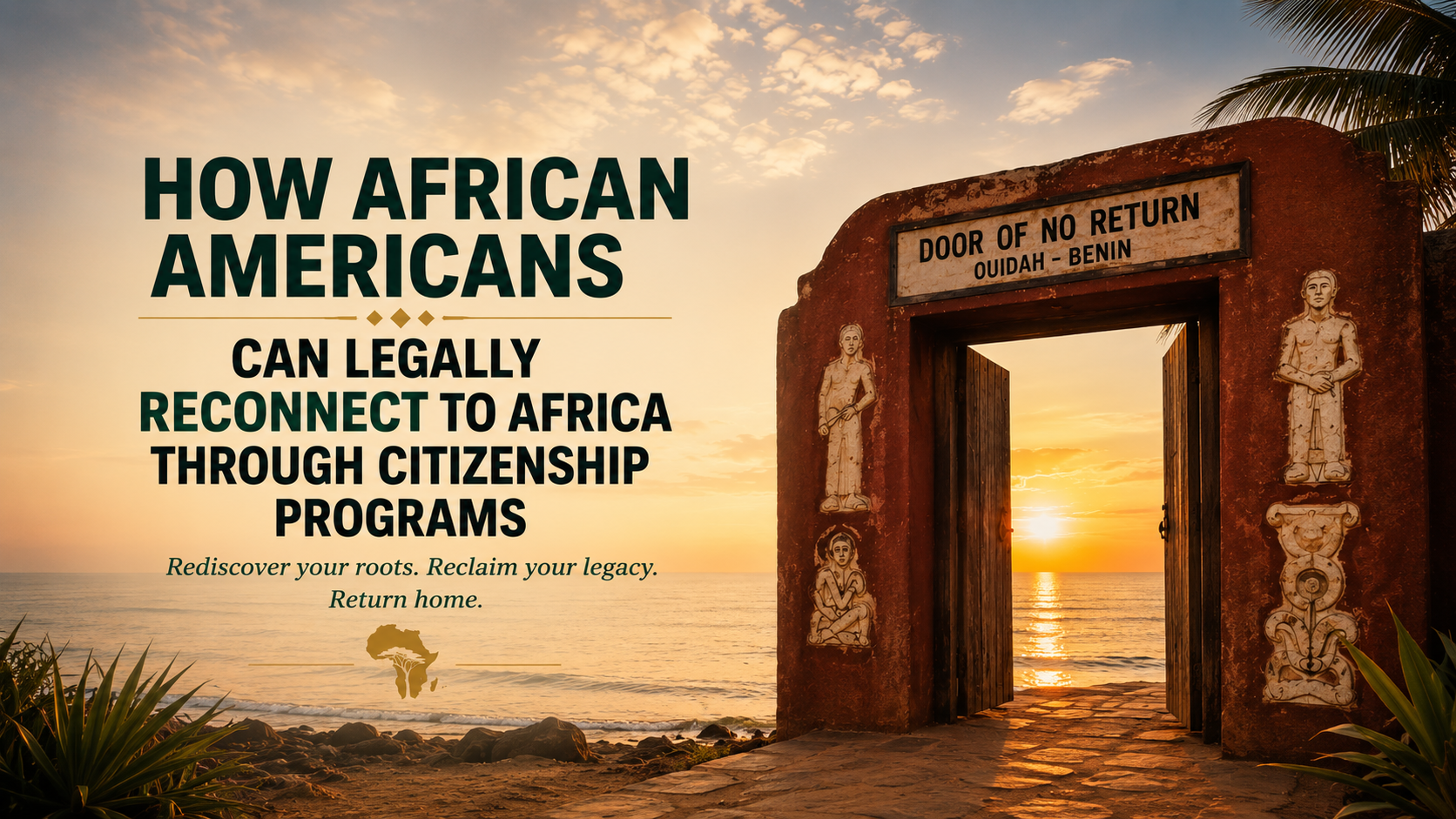
Learn how African Americans can legally reconnect with their ancestral homeland through citizenship initiatives in Benin and Ghana, featuring eligibility requirements, application steps, and the importance of identity restoration.

Discover how Benin’s Citizenship by Recognition program is opening new pathways for African descendants worldwide to reconnect with Africa through ancestry, culture, and citizenship.

Uncover how personalized DNA fitness and nutrition tests provided by Tribal Tapestry can revolutionize your approach to health and wellness. This article delves into the science behind these tests and how they tailor fitness and diet plans to your genetic makeup.

This article explores the integration of family tree databases like Ancestry, FamilySearch, and RootsMagic with your heritage journey, offering insights into constructing a detailed family history.

This article explores the profound impacts of connecting with one’s roots, featuring personal stories of discovery and the emotional resonances that come with uncovering one’s heritage.
.jpeg)
What began as a search for family history led Jon James Olomo across an ocean, back to an ancestral name, living relatives, traditional rulers, citizenship, land ownership, and a deeper understanding of identity, belonging, and legacy. The Pathfinder's Journey tells the story behind the movement and the discoveries that reshaped one man's understanding of what it means to come home.